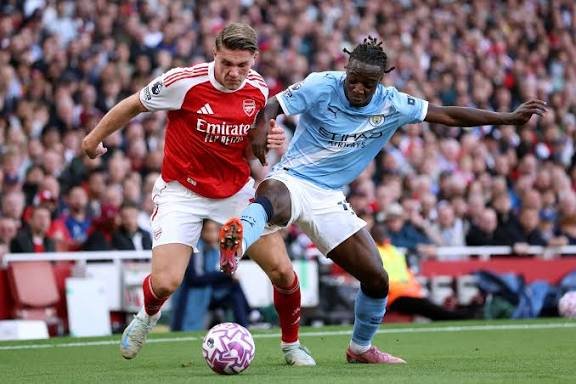
Navigating an entire 38-matchweek Premier League season as an active sports bettor tests a user’s analytical endurance, execution speed, and capacity to adapt to market fluctuations. The 2010/11 campaign remains an iconic case study in modern football betting due to its historic competitive parity, unprecedented late-game turnarounds, and volatile price movements across digital sportsbooks. From Manchester United’s title run despite mediocre away form to Blackpool’s total disregard for defensive pragmatism, every week presented unique structural challenges. Reflecting on a full year of real-time market engagement reveals how digital betting services functioned during critical moments and where oddsmakers consistently mispriced match dynamics.
Why the 2010/11 Season Tested User Strategy More Than Previous Years
The defining characteristic of the 2010/11 campaign was the narrowing quality gap between elite clubs and lower-tier sides, which routinely disrupted standard pricing models. Traditionally, bookmakers priced heavy favorites with low goal spreads and tight Asian Handicaps, expecting top-four teams to handle lower-half opponents comfortably. In 2010/11, however, home-field advantage surged across all tiers while elite clubs suffered frequent defensive collapses away from home. Users relying on static power rankings found their bankrolls quickly depleted, forcing a shift toward real-time tactical evaluation and dynamic odds tracking throughout the entire nine-month schedule.
Structural Odds Lag During the Opening Quarter of the Campaign
During the first ten matchweeks, bookmakers heavily anchored their baseline odds to the previous season’s standings, creating sharp inefficiencies in markets involving newly promoted sides and mid-table dark horses. Bettors who tracked underlying metrics like shot volume, dangerous attacks, and high-pressing intensity saw early on that teams like Newcastle United and West Bromwich Albion were significantly outperforming their assigned market handicaps. Taking advantage of these mispriced lines required fast execution before oddsmakers recalibrated their power rankings toward late autumn, illustrating how early-season inertia in sportsbook algorithms presents prime value opportunities for attentive users.
Navigating the Winter Fixture Chaos and Post-Match Settlement Delays
The congested November-to-January period introduces extreme physical strain on players, which translates directly into unpredictable match outcomes and volatile live betting lines. Severe weather disruptions during the 2010/11 winter led to postponed fixtures, altering squad recovery times and forcing oddsmakers to adjust match totals erratically.
Users managing multiple active trades during these high-volume weeks had to track postponed leg rules, voided ticket processing, and rapid line shifts as lineups were announced with heavy squad rotation.
How Heavy Fixture Loads Created In-Play Inefficiencies
The relentless match cadence during Christmas and New Year created distinct tactical breakdowns that sharp users exploited in live markets.
- Late-Game Defensive Fatigue: Teams playing their third match in seven days experienced massive defensive lapses after the 70th minute, driving up late-goal probabilities.
- Irregular Substitution Patterns: Managers forced to protect fatigued starters introduced inexperienced bench options, destabilizing established defensive structures mid-match.
- In-Play Odds Delay: In 2010/11, live betting algorithms were slower to adjust goal-line totals following major tactical shifts, allowing alert users to catch favorable lines before market closures.
Analyzing these mid-season pressure points highlights why monitoring squad fatigue offers a massive edge when sportsbooks fail to adjust live totals rapidly enough.
The Evolution of In-Play Betting Execution During Volatile Fixtures
In-play wagering transformed from a niche secondary feature into a central operational strategy during the 2010/11 season due to high-scoring, erratic matches. The famous 4-4 draw between Newcastle and Arsenal in February 2011 perfectly illustrated the friction between user strategy and platform performance; after Arsenal took a 4-0 lead, live odds for a comeback peaked at astronomical levels while market liquidity surged.
When observing how digital platforms react under sudden liquidity surges, the overall responsiveness of a web-based service dictates whether an analyst can secure advantageous live lines or face rejection errors during rapid price swings.
Analyzing these live dynamics proves that user success during high-variance seasons depended heavily on combining quick tactical reads with reliable digital infrastructure that processed live bets without latency.
Evaluating Relegation Battle Markets and Motivated Value
As the 2010/11 season entered its final quarter, the fight against relegation involved up to eight teams separated by only a few points, creating unique market distortions. Sportsbooks often overprice desperation, inflating the odds of struggling teams playing at home against secure mid-table clubs with little left to play for. Bettors who systematically backed relegation-threatened sides on the Asian Handicap market during the final six weeks found consistent value, as public money pushed favorite lines higher than actual motivation levels warranted.
Where traditional match-winner markets offered tight margins, exploring alternative handicap structures allowed bettors to mitigate late-season volatility. Whenever users seek specialized handicap options or flexible Asian lines during high-stakes run-ins, analyzing market breadth through an online betting site provides clear insight into how bookmakers balance exposure against desperate relegation contenders.
Recognizing how desperation shifts tactical commitment allows users to identify pricing gaps that purely statistical models overlook. When a team must win to survive, their open style creates high-scoring environments that make standard goal totals underpriced.
Systemic Failures in Long-Term Futures and Outright Betting
Outright markets for the 2010/11 season proved ยูฟ่า168 for bettors who locked up capital in pre-season futures, as top-four points totals hit historic lows. Manchester United won the league with just 80 points, while traditional powerhouses like Chelsea and Liverpool suffered prolonged winless streaks that shattered early season title projections. Holding long-term futures throughout such a chaotic year tied up bankroll that could have yielded far higher returns in weekly match markets, proving that high-parity seasons heavily favor liquid, short-term betting strategies over season-long commitments.
Comparing Market Returns: Futures vs. Weekly Match Selection
Evaluating how capital efficiency differed across betting formats during the 2010/11 campaign illustrates the cost of tied-up liquidity.
- Pre-Season Title Futures: High capital lockup with diminished yields due to unprecedented points dropping by all top-four teams.
- Weekly Asian Handicap Trading: Continuous capital turnover allowing users to adjust to team form, injury updates, and tactical shifts in real time.
- In-Play Goal Total Wagering: Rapid settlement windows enabling dynamic compounding of gains during high-scoring matchweeks.
This comparative breakdown demonstrates why adaptable, match-by-match wagering outperforms long-term speculative position-taking during volatile league campaigns.
Key Operational Lessons for Managing a Full-Season Betting Account
Sustaining profitability over a full 38-matchweek campaign requires strict operational procedures to survive inevitable drawdowns and capitalize on hot streaks. The primary takeaway from the 2010/11 season was the necessity of maintaining a decoupled bankroll structure, ensuring that individual match variance never threatens overall balance stability.
- Maintain Strict Staking Discipline During High Parity: Avoid increasing bet sizes during erratic matchweeks, keeping individual wagers capped at 1% to 2% of total bankroll.
- Audit Oddsmakers for Form-Based Anchoring: Identify fixtures where bookmaker lines reflect reputation rather than real-time tactical reality or physical exhaustion.
- Prioritize Execution Speed Over Slight Odds Variance: Ensure in-play entries are placed on platforms with minimal delay to avoid line locks during key match events.
- Avoid Locking Capital in Pre-Season Futures: Reserve funds for dynamic weekly opportunities rather than tying up liquidity in long-term season bets.
Applying this operational checklist protects users from the emotional and financial traps that define unpredictable football seasons.
Reflecting on the entire 2010/11 cycle confirms that long-term survival as a sports bettor relies far more on structural risk management and adaptability than on individual match prediction. Those who treated the season as a continuous analytical challenge rather than a series of isolated gambles came away with refined frameworks for navigating future market volatility.
Summary
Reviewing the 2010/11 Premier League season from a user’s perspective reveals that high-parity campaigns require dynamic tactical adaptability, strict bankroll control, and responsive betting execution. Structural inefficiencies were most pronounced in early-season odds lag, winter congestion fatigue, and late-season relegation motivation. In-play betting proved far superior to pre-season futures, as locked-up liquidity yielded lower returns compared to agile, match-by-match trading. Ultimately, navigating a full 38-week season successfully depends on recognizing oddsmaker pricing delays, leveraging live market shifts, and maintaining disciplined operational protocols through every phase of the campaign.
Leave a Reply